liquefaction analysis with AI

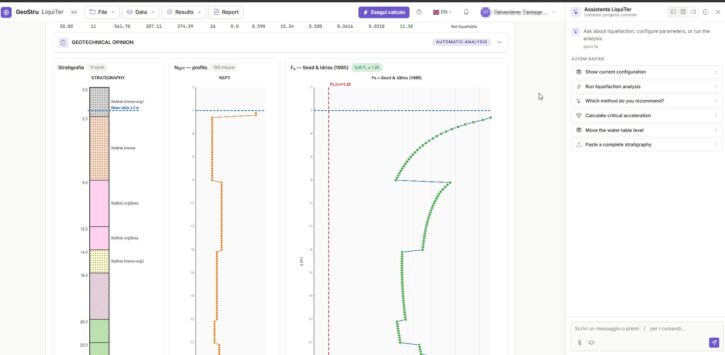
Liquefaction analysis with AI: GeoStru LiquiTer NX

In modern geotechnical practice, analyzing soil susceptibility under seismic conditions requires increasingly rapid, precise, and rigorous tools. GeoStru LiquiTer NX represents the vanguard in this sector: an advanced web software designed to automate liquefaction analysis with AI starting from in-situ tests such as SPT, CPT, CPTU, CPTE, and Vs. In this article, we explore the…

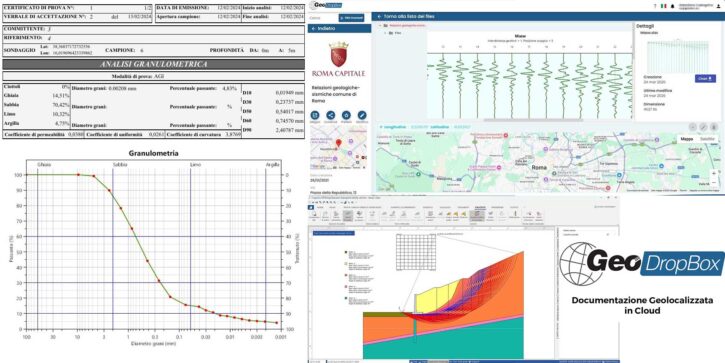
Geotechnical cloud: application example

Addressing the stabilization of a hydrogeological instability that threatens a main road requires extremely fast reaction times and the use of an advanced geotechnical cloud. In a recent operation to secure a rotational landslide, the design team faced a critical obstacle: the fragmentation of the information flow. Geologists were busy at the landslide site performing…

granulometria geostru liquefazione Soil liquefaction analysis

Soil liquefaction analysis: Grain size distribution and calculation

Soil liquefaction analysis represents a fundamental step in geotechnics to define soil behavior under seismic stress. In professional practice, grain size distribution is not merely a classification; it is the physical factor determining if a soil transitions from solid to liquid during an earthquake. Why grain distribution controls soil liquefaction analysis The risk depends directly…

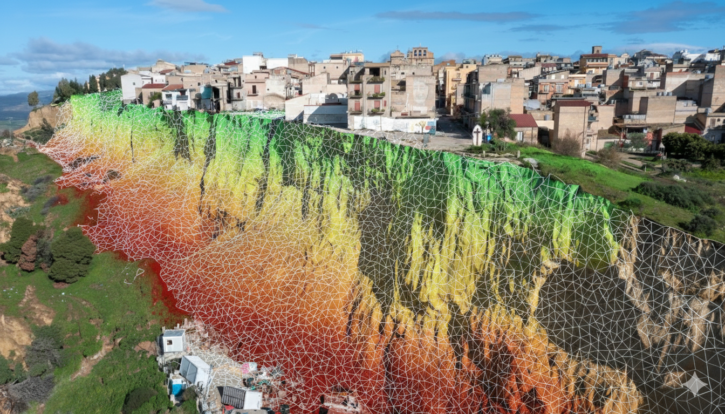
The Niscemi landslide: hydrogeological risk analysis and advanced tools for slope stability

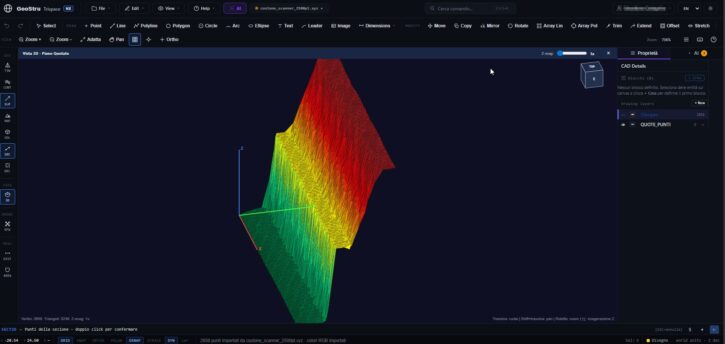
Case study • Hydrogeological instability The Niscemi landslide: from mapped risk to 3D modelling and stability analyses An integrated approach: GeoRisk for hazard, GeoStru Maps for the three-dimensional reconstruction, Slope (LEM+DEM) for 2D/3D stability and Debris Flow for rapid phenomena. Why this event matters The Niscemi landslide shows how much risk management requires tools able…